
Here’s The Verdict.
If you’re a serious lifter, you already know shoulder pain can derail your progress. But many athletes ask an important question: can a torn rotator cuff affect your elbow?
The short answer is yes — absolutely. And if you’re dealing with elbow pain during pressing or pulling movements, your shoulder may be the real culprit.
Let’s break it down.
What Is a Rotator Cuff Tear?
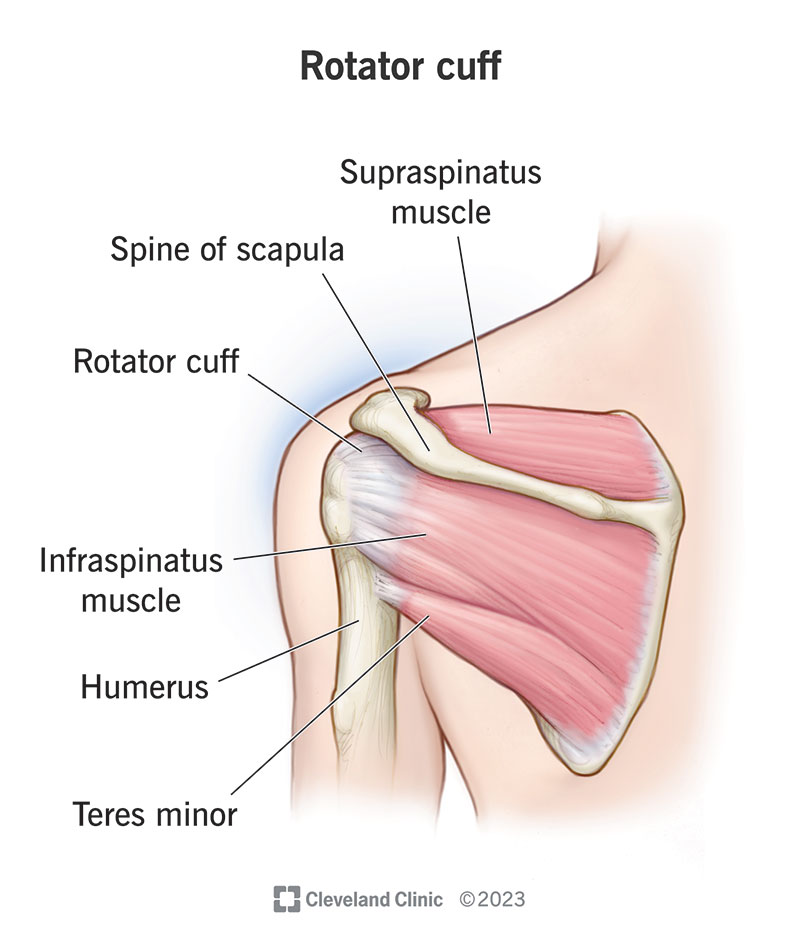
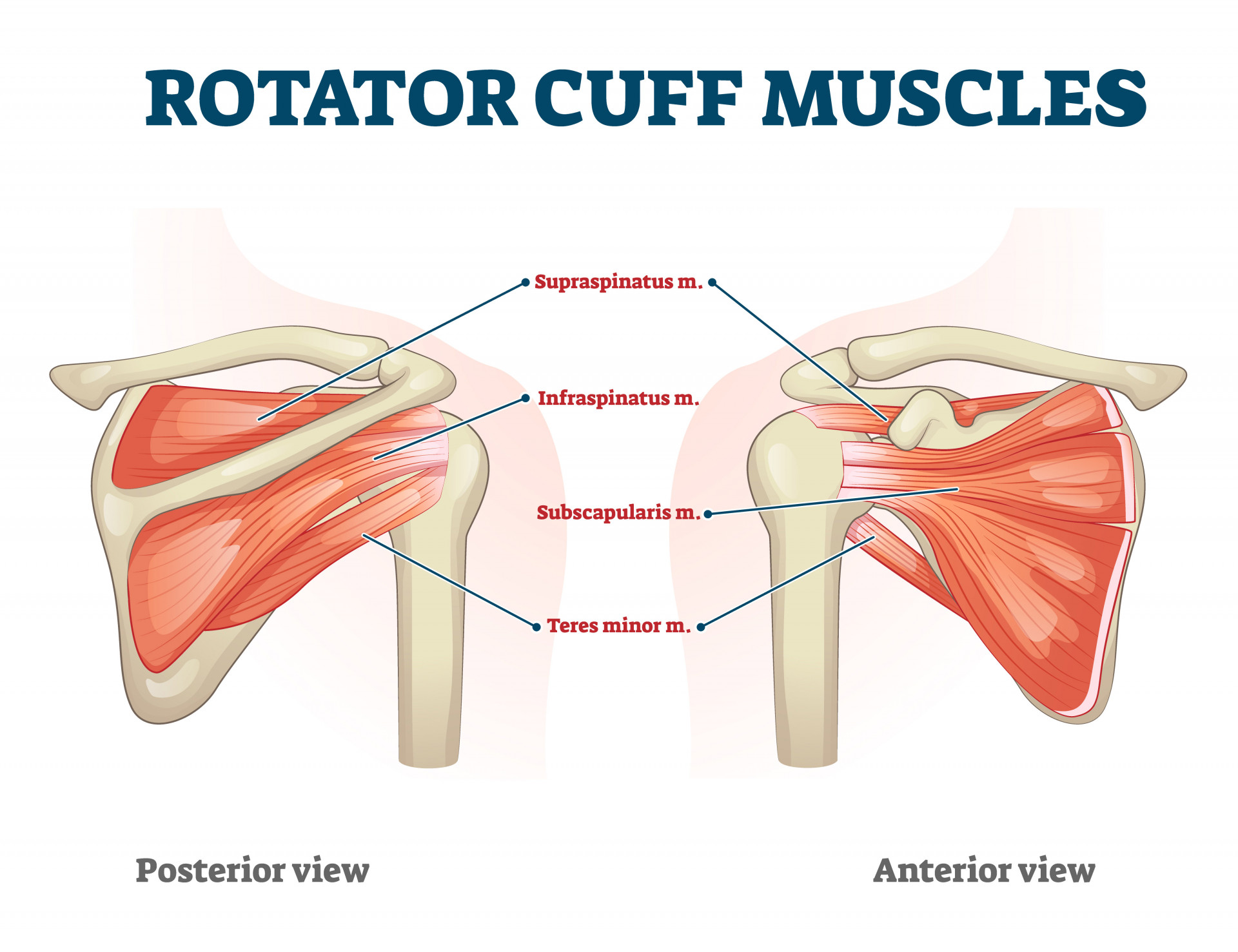

The rotator cuff is a group of four muscles that stabilize the shoulder joint:
- Supraspinatus
- Infraspinatus
- Teres Minor
- Subscapularis
These muscles keep the head of the humerus centered in the shoulder socket during pressing, pulling, and overhead movements.
A tear can occur from:
- Heavy bench pressing
- Repetitive overhead work
- Poor shoulder mechanics
- Years of accumulated wear and tear
When one or more of these muscles are compromised, your shoulder loses stability — and that’s where elbow problems begin.
Can a Torn Rotator Cuff Affect Your Elbow?
Yes. Here’s how:
1. Compensation Patterns
When the shoulder loses stability, your body shifts stress down the kinetic chain. That often means:
- Increased strain on the triceps tendon
- Overloading of the biceps tendon
- Excessive stress on the medial or lateral elbow
This can lead to:
- Golfer’s elbow
- Tennis elbow
- Tricep tendon irritation
- Chronic elbow inflammation
Your elbow isn’t weak — it’s overworking to compensate for a dysfunctional shoulder.
https://rawstrengthapparel.com/product/blackout-elbow-cuffs-elbow-tendonitis/
2. Bench Press Breakdown

4
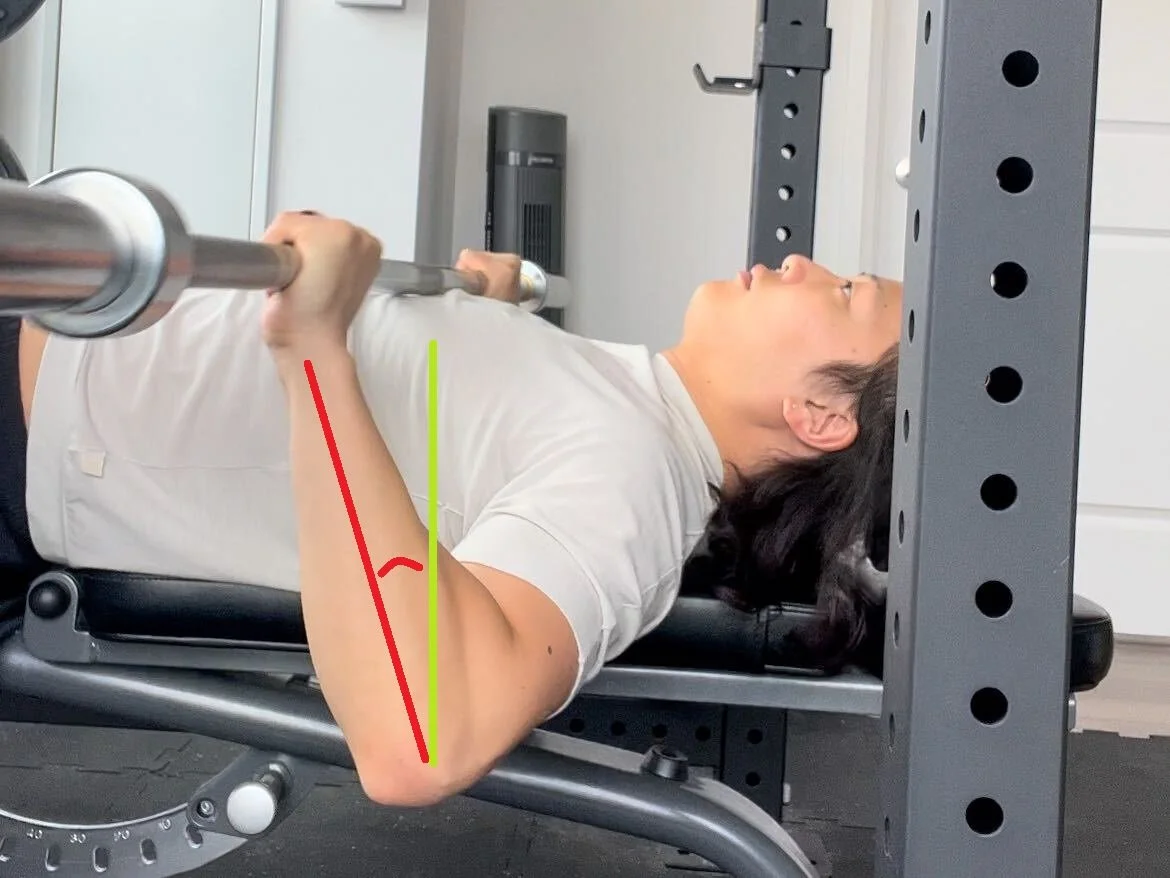
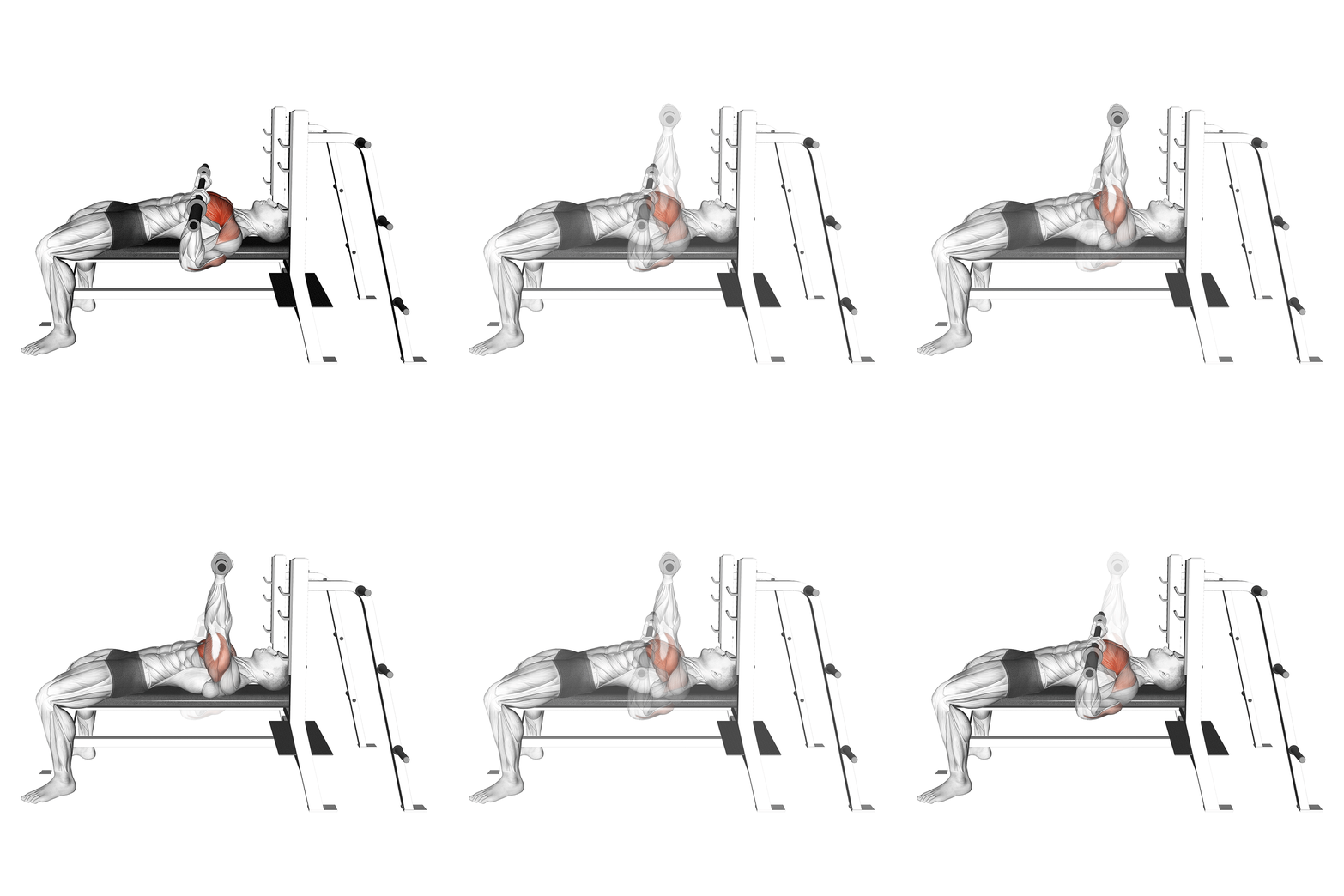
In heavy bench press training, shoulder stability is everything.
If your rotator cuff is torn or inflamed:
- Your elbows may flare excessively
- You lose tightness in the upper back
- The bar path becomes inconsistent
- Lockout becomes unstable
This increases strain directly on the elbow joint — especially during heavy triples, max effort work, or board presses.
3. Pulling Movements & Elbow Pain
Deadlifts, rows, and pull-ups require shoulder positioning and scapular control.
If the shoulder cannot stabilize properly:
- The biceps tendon works overtime
- Forearm flexors become overloaded
- Grip compensation increases
This combination can absolutely create persistent elbow pain.
Signs Your Elbow Pain Is Shoulder-Related
You might have a shoulder-driven elbow issue if:
- Your elbow pain worsens during pressing
- You feel weakness during external rotation
- Your shoulder clicks or feels unstable
- You struggle with overhead range of motion
- Your elbow pain doesn’t improve with direct elbow treatment
Treating only the elbow without addressing the shoulder is like fixing a flat tire without checking alignment.
How to Protect Your Shoulder (and Elbow)
At Raw Strength Apparel, we believe longevity equals strength. Here’s how to protect both joints:
1. Strengthen External Rotation
- Band pull-aparts
- Face pulls
- Side-lying external rotations
2. Improve Scapular Stability
- Chest-supported rows
- Reverse flyes
- Controlled tempo bench press
3. Use Proper Joint Support
High-quality wrist wraps and elbow sleeves can reduce excess joint strain while you rebuild stability and strength.
4. Program Smart
If you’re asking “can a torn rotator cuff affect your elbow?”, you may already be pushing through pain. That’s your sign to:
- Reduce load temporarily
- Increase rehab volume
- Prioritize recovery
Final Thoughts
So, can a torn rotator cuff affect your elbow?
Yes — and in strength sports, it often does.
The shoulder and elbow are part of the same movement chain. If one link weakens, the other absorbs the stress.
If your bench press is stalling, your elbow aches after heavy sets, or your triceps feel irritated — don’t ignore your shoulder health.
Train smart. Train strong. Protect your joints.
— Raw Strength Apparel
Discover more from Raw Strength Apparel
Subscribe to get the latest posts sent to your email.





